
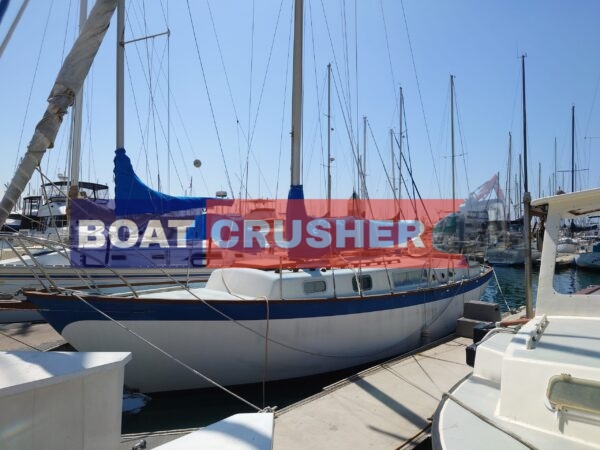
If you have an unwanted boat taking up space on your property, sitting unused in storage, or deteriorating at a marina, Boat Crusher can help you explore boat removal and disposal options in Long Beach, California. Whether your vessel has a failed engine, a damaged hull, or repair costs that no longer make financial sense, finding a practical solution can help you reclaim valuable space and move on from a boat you no longer need.
Long Beach has a strong connection to Southern California’s boating lifestyle, with access to Alamitos Bay, the Pacific Ocean, and nearby coastal harbors. Local boat owners have a wide range of vessels, from small fishing boats and recreational powerboats to sailboats and larger cabin cruisers. Over time, however, exposure to saltwater, sunlight, and coastal weather can contribute to deterioration. When a boat becomes too expensive to repair or is no longer safe to operate, removal may be the most practical next step.
Boat Crusher helps owners explore options for unwanted boats, including removal, hauling, marine salvage, and end-of-life disposal. The right approach depends on the vessel’s condition, dimensions, location, and accessibility. Whether you’re clearing a residential property or dealing with a boat that has reached the end of its useful life, getting started with accurate information can make the process easier.
Get Rid of an Unwanted Boat in Long Beach
An unused boat can become an ongoing responsibility even when it no longer leaves the dock. Storage fees, maintenance expenses, registration requirements, and repair estimates can continue accumulating while the vessel takes up valuable space.
Some owners hold onto boats because they intend to restore them eventually. Others discover that an engine replacement, hull repair, or electrical overhaul costs more than the vessel is worth. When a project becomes too expensive or time-consuming, finding a way to remove the boat may make more sense than continuing to maintain it.
Boat Crusher provides a starting point for exploring boat removal and disposal solutions in Long Beach. Depending on the vessel, options may include resale, recovery of usable parts, specialized hauling, or disposal through an appropriate receiving facility.
Every boat presents different challenges. A small vessel on a roadworthy trailer may be relatively straightforward to transport, while a larger boat at a marina may require lifting equipment and coordination with facility management. Sharing details about the boat’s condition and location helps determine which options may be suitable.
Boat Removal for Long Beach’s Coastal Boating Community
Long Beach and the surrounding coastal region support recreational boating, fishing, sailing, and other marine activities. Unfortunately, boats that spend years around saltwater can develop corrosion, deteriorating fittings, electrical problems, and other issues that make continued ownership difficult.
Boat Crusher can help owners explore removal options for a variety of vessels, including:
- Fishing boats with damaged hulls, failed motors, or worn interiors.
- Fiberglass boats with cracks, structural deterioration, or extensive damage.
- Aluminum boats affected by corrosion or damaged components.
- Sailboats with aging rigging, water intrusion, or damaged keels.
- Pontoon boats with deteriorating decks or damaged flotation components.
- Powerboats with major engine or electrical problems.
- Cabin cruisers that have become too expensive to maintain.
- Older recreational vessels left unused in storage.
- Storm-damaged boats requiring professional evaluation before transportation.
- Project boats that owners no longer have the time or budget to restore.
Not every unwanted boat needs to be discarded. Some vessels may retain resale value, and engines, electronics, hardware, or trailers may be suitable for parts recovery. When restoration is no longer economical, however, removal and appropriate disposal may be the better choice.
Serving Long Beach and Nearby Southern California Communities
Boat removal needs often extend beyond the city itself. Owners throughout the surrounding region may have unwanted vessels at private homes, storage yards, marinas, and commercial properties.
Nearby communities that may be relevant when arranging boat removal include Signal Hill, Seal Beach, Lakewood, Carson, San Pedro, and other parts of the greater Long Beach area. Service availability depends on the exact location and the requirements of the individual job.
The vessel’s location can make a significant difference. A boat stored in a driveway may be accessible to a hauling vehicle, while a boat at a marina may require a scheduled lift or specialized transportation. Vessels positioned in restricted yards or narrow residential spaces can also present access challenges.
If your boat is near Alamitos Bay, the Los Angeles River estuary, or a local marina, explain whether it is on land, on a trailer, stored on blocks, or currently afloat. Waterfront access does not automatically mean a boat can be removed using ordinary towing equipment.
Confirm availability for your specific location before making arrangements. Distance, boat dimensions, accessibility, and the intended disposal destination can affect the removal process and cost.
When Boat Repairs Are No Longer Worth the Money
Many owners begin considering removal after discovering that repairs will cost more than expected. Engine replacement, fuel-system problems, electrical failures, hull damage, and deteriorating transoms can quickly turn an aging boat into an expensive project.
Coastal conditions can contribute to wear over time. Saltwater exposure may affect metal components and hardware, while sunlight can damage upholstery, covers, and exposed surfaces. Boats that have been neglected or stored improperly may have several problems that are not immediately obvious.
Before investing in another repair, consider the vessel’s overall condition and realistic market value. A new engine may not resolve structural damage, aging wiring, steering problems, or a deteriorated trailer. Looking at the complete picture can help you decide whether restoration is worthwhile.
A qualified marine professional can assess whether the boat is practical to repair. If it is beyond economical restoration, Boat Crusher can help you investigate potential removal and disposal options.
You may also want to determine whether the boat or its components have any remaining resale or salvage value. Even if the vessel can no longer be used safely, some parts may still be useful to other boat owners.
Understanding Boat Disposal and Marine Salvage
Boat disposal requires more planning than simply hauling a vessel away. Different construction materials and components may require different handling, and not every disposal facility accepts complete boats.
Fiberglass hulls generally cannot be processed like ordinary scrap metal. Aluminum vessels may contain recoverable metal, while engines, batteries, electronics, and trailers may need separate evaluation.
Depending on the boat’s condition, possible options include:
Resale or transfer: A usable boat may appeal to another owner interested in fishing, recreation, or restoration.
Parts recovery: Engines, electronics, hardware, and other components may retain value even when the complete vessel is no longer practical to operate.
Marine salvage: A qualified provider may be able to recover usable equipment or assist with certain damaged vessels.
Boat hauling: A suitable truck, trailer, crane, or other equipment may be required to move the boat safely.
End-of-life disposal: When repair and resale are no longer realistic, the vessel may need to be taken to a facility that accepts it and can handle its materials appropriately.
Before arranging transportation, confirm that the intended destination accepts your particular boat. Ask about potential fees, preparation requirements, and documentation so you can avoid unnecessary delays.
Removing Boats From Properties, Marinas, and Storage Yards
An unwanted boat can take up valuable space long after its owner stops using it. On a residential property, it may occupy a driveway or side yard. At a commercial storage facility, it may continue generating fees without providing any benefit.
Boats left outdoors may deteriorate from sunlight, rain, and moisture. Covers can fail, water can collect inside the hull, and trailer tires or bearings can become unreliable. Over time, moving the vessel may require more planning than it would have when the boat was first parked.
Property access is an important consideration. Narrow gates, fences, low branches, uneven surfaces, and limited turning space can affect transportation. If the boat has no trailer or its existing trailer is unsafe, alternative loading arrangements may be necessary.
Marinas and commercial facilities may have their own requirements for access, lifting equipment, scheduling, and removal. Confirm these details before making transportation arrangements.
Boat Crusher can help you explore the next steps based on the vessel’s location and condition. Photographs of the boat, its surroundings, and any visible damage can help communicate the challenges involved.
Responsible Boat Disposal Along the Southern California Coast
Responsible vessel handling is important in Long Beach, where coastal waters and marine environments support recreation, commerce, and wildlife.
Unwanted boats may contain gasoline, diesel fuel, engine oil, batteries, coolants, cleaning products, and other materials that should not be released into the environment. Damaged vessels may also have sharp fiberglass, exposed metal, broken glass, or unstable structural components.
Avoid abandoning boats along shorelines, leaving them in unauthorized locations, or disposing of boat materials improperly. Ask how fuel, batteries, and other potentially hazardous components should be handled, and confirm that the receiving facility can accept the vessel.
A boat that is sinking, partially submerged, or obstructing a navigable waterway may require specialized recovery rather than ordinary land-based hauling. Such situations can involve additional equipment, permissions, and coordination with the appropriate authorities.
Planning ahead helps reduce safety risks and makes it easier to identify a suitable removal and disposal route.
Prepare Your Boat for Removal
You do not necessarily need to repair an unwanted boat before exploring removal options. Gathering a few basic details, however, can help determine the equipment and arrangements that may be necessary.
Before contacting Boat Crusher, prepare the following information:
- Ownership documents: Locate any available title, registration, bill of sale, or other relevant paperwork. Requirements vary by vessel and circumstances.
- Boat type and approximate length: Identify whether it is a fishing boat, sailboat, pontoon, powerboat, or another vessel.
- Current condition: Explain whether the boat runs, has hull damage, is missing components, or has been sitting unused for years.
- Exact location: Specify whether it is at a residence, storage facility, marina, or in the water.
- Photographs: Take pictures of the exterior, interior, engine, trailer, and any visible damage.
- Access limitations: Mention narrow entrances, overhead obstructions, restricted marina access, or other potential obstacles.
- Scheduling and costs: Ask about transportation requirements, potential fees, and preparation instructions before finalizing arrangements.
Do not attempt to move a large or unstable vessel without suitable equipment. If the boat has a fuel leak or presents an immediate hazard, seek appropriate professional assistance.
Take the Next Step With Boat Crusher
An unwanted boat does not have to remain on your property indefinitely. Whether you have an old fishing boat in the driveway, a deteriorating sailboat in storage, or a powerboat that has become too expensive to repair, exploring your options can help you resolve the problem.
Boat Crusher helps Long Beach boat owners investigate boat removal, hauling, salvage, and disposal possibilities based on their individual circumstances. The right approach depends on the vessel’s size, condition, location, accessibility, and the requirements of the receiving facility.
Start by gathering photographs and basic information about your boat. Knowing where it is located, whether it can be moved, and what condition it is in provides a useful starting point for discussing the next steps.
If you’re ready to reclaim driveway space, clear a storage area, or deal with a boat that is no longer seaworthy, contact Boat Crusher to discuss your situation and explore the available options.
Boat Crusher — your starting point for unwanted boat removal and disposal in Long Beach, California.
- Boat Crusher | New Bern, NC
 Boat Crusher offers boat removal and disposal solutions in New Bern, NC.
- Boat Crusher | Tacoma, WA
 Boat Crusher helps Tacoma, Washington, boat owners explore removal, hauling, scrapping, and disposal options for unwanted boats.
- Boat Crusher | Green, OH
 Clear out an unwanted boat in Green, Ohio, with removal and disposal options from Boat Crusher.
- Boat Crusher | Newport, ME
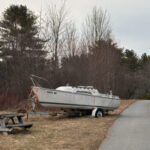 Boat Crusher helps Newport, Maine, property owners explore boat removal, hauling, scrapping, and disposal options for unwanted fishing boats, damaged vessels, and aging recreational watercraft.
- Boat Crusher | Annandale, VA
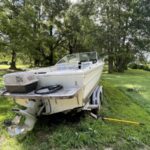 Boat Crusher helps Annandale, VA, boat owners explore removal options for unwanted fishing boats, aging fiberglass vessels, damaged pontoons, and neglected trailers throughout Northern Virginia.
- Boat Crusher | Wilmington, DE
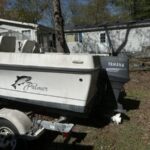 Boat Crusher helps Wilmington, DE, boat owners explore removal options for unwanted fishing boats, aging fiberglass vessels, damaged pontoons, and neglected trailers throughout northern Delaware.
Boat Crusher | FAQs
How do I start boat removal with Boat Crusher?
Getting started is simple. The fastest way to get on our boat removal calendar is to submit the job and boat details here.
Contact Boat Crusher and provide basic information about the boat, where it is located, its approximate size, its condition, and how it can be accessed. From there, we can discuss your boat removal needs and the next steps toward getting the vessel out of your way.
Can you remove a boat without a trailer?
100%, yes. A boat without a trailer may require different equipment and handling procedures.
Boat Crusher can evaluate the vessel and location to determine how it can be safely moved and transported.
Can Boat Crusher remove a boat and trailer together?
Yes, we remove both boats and trailers, boat and trailer removal may be handled as one project.
In some scenarios we remove together and in other scenarios we remove the trailer and boat seperately. Providing photographs and details about the boat and trailer can help determine the appropriate approach.
What types of boats does Boat Crusher remove?
Boat Crusher can handle many different types of unwanted vessels, including powerboats, sailboats..
trawlers, fishing boats, pontoons, center consoles, cabin cruisers, runabouts, commercial boats, and other recreational or marine vessels.
Does Boat Crusher remove boat’s from the water?
We remove any boat from the water. Price partially depends on the location, condition, size, and accessibility.
Water-based removal may require specialized marine equipment, lifting, towing, or recovery procedures.
Can Boat Crusher remove a boat that has been sitting for years?
Yes. Outdoor storage can leave a boat severely deteriorated or difficult to move, less difficult for Boat Crusher having experience.
Boat Crusher can evaluate an older vessel and determine what is needed to remove it from a property or facility.
What should I do before Boat Crusher arrives?
If possible, remove personal belongings and valuables from the vessel and make sure the removal team has clear access to the boat.
Keep ownership and other relevant documentation available if it is needed for the transaction or removal.
Can Boat Crusher remove a damaged boat?
Yes. Damaged boats are often excellent candidates for professional removal. We work with insurance agencies and adjusters as well.
Whether the vessel suffered storm damage, structural deterioration, collision damage, or years of neglect, Boat Crusher can evaluate the circumstances and determine the available removal options.
Do you remove boats after storms?
Boat Crusher can assist with vessels affected by severe weather, depending on the location and condition of the boat.
Storm-damaged boats may require specialized handling if they are overturned, grounded, partially submerged, or otherwise difficult to access.
What service does Boat Crusher provide?
Boat Crusher specializes in hauling, dismantling, removing, salvaging and disposing of unwanted vessels.
Boat crushing may involve breaking down fiberglass, aluminum, wood, engines, trailers, and other components for appropriate disposal or salvage. The process is useful when a boat is beyond repair, abandoned, severely damaged, or simply no longer wanted.
What if my boat is too large to tow?
Large vessels may require specialized transportation, escorts, or lifting equipment rather than conventional towing.
Boat Crusher can review the boat’s dimensions, location, accessibility, and condition to determine the appropriate removal method.
Does Boat Crusher remove boats from backyards?
Yes, 100%. Backyard boat removal can involve tight gates, landscaping, fences, narrow driveways, or other obstacles.
Boat Crusher can evaluate the property and determine how the vessel can be extracted and transported.
Can Boat Crusher help me get rid of a boat that I no longer want?
Yes. Boat Crusher helps boat owners get rid of a boat that is taking up space on land, sitting at a marina, sinking / sunken or becoming a storage problem.
Depending on the vessel’s condition and location, the boat may be removed for salvage, dismantling, scrapping, or disposal.
Does Boat Crusher accept credit & debit payments?
Yes. We accept many forms of payment.
We accept credit, debit cards at a 4% fee. To avoid the convenience fee customers can pay with check and zelle.
What is involved in boat salvage?
Boat salvage can include recovering a vessel, removing it from the water, securing it for transportation, dismantling usable components, and handling the remaining materials.
A marine salvage company may work with sailboats, powerboats, fishing boats, commercial vessels, and other unwanted or damaged watercraft.
Do we take all junk boats?
Yes. Our junk boat removal is intended for vessels that are no longer useful, have significant damage, or have reached the end of their service life.
Removal may require specialized equipment depending on whether the boat is located at a residence, marina, boatyard, shoreline, or other property.
How can I dispose of a boat that is too damaged to use?
If a boat is no longer practical to operate, professional Boat Disposal services can provide a solution.
The vessel can be evaluated for removal and then transported for dismantling, salvage, or appropriate disposal. This can be especially helpful for boats with extensive structural damage or deteriorated hulls.
Do you remove boats that are considered scrap boats?
Yes. A scrap boat may contain materials and components that can be separated during dismantling.
Depending on the vessel, this can include metal, aluminum, engines, hardware, trailers, and other components. A marine salvage service can determine the appropriate method for removing and processing the vessel.
What is a marine salvage company?
A marine salvage company specializes in recovering, removing, dismantling, and handling vessels and marine equipment.
Services can range from marine boat salvage and wreck removal to abandoned boat removal, sunken vessel recovery, and end-of-life boat disposal.
Can you remove an abandoned boat?
Boat Crusher frequently removes, disposes and wrecks abandoned boats it’s no more complicated than removing a privately owned vessel regardless of ownership.
Our boat salvage service will remove and dispose of the abandoned vessel from any property or location – driveway or waterway.
Do you handle sunken boat recovery?
Sunken boat recovery can involve specialized equipment and careful planning, and Boat Crusher can help.
The recovery process may include stabilizing the vessel, removing water or hazards, lifting or floating the boat, and transporting it to an appropriate location. Boat Crusher can evaluate the circumstances before determining the proper recovery approach.
Can you salvage a sailboat?
Yes. Sailboat salvage can involve removing the vessel from the water, recovering equipment and components, transporting the hull, and dismantling the boat when it is no longer serviceable.
The size, construction, location, and condition of the sailboat will determine how the salvage operation is handled.
Are there junkyards for boats?
While boat disposal facilities differ from traditional automotive junkyards, there are marine salvage yards and specialized facilities that handle unwanted vessels.
These locations may accept boats for dismantling, material recovery, component salvage, and final disposal.
What is a boat trash service?
A boat trash service is designed to help remove unwanted boats and the materials associated with them.
Depending on the project, this can include removing debris, damaged components, interior contents, equipment, and other material left behind after a boat has reached the end of its useful life.
Can you remove a boat from a property?
Yes. Our boat removal service can potentially remove vessels from residential properties, commercial locations, marinas, boatyards, storage facilities, and other sites.
Access, boat size, condition, and the availability of a trailer or lifting equipment can all affect the removal process.
What happens to my boat after it is removed?
After removal, the vessel can be evaluated for salvage and dismantling.
Some components may be separated for Salvage, or completely repurposed – while the remaining hull and other materials can be handled through appropriate disposal channels. The exact process depends on the boat’s location, construction, condition, and materials.
Can you dispose of a fiberglass boat?
Yes. Fiberglass boats can be difficult for property owners to dispose of because they are large and require specialized handling.
Professional junk boat disposal may involve cutting or dismantling the vessel into manageable sections before transporting the materials for appropriate processing or disposal.
Do you remove boats that are stuck or partially submerged?
100%. We recover and dispose of boats that are partially submerged, grounded, stranded, or otherwise inaccessible whether or not they may require specialized marine equipment.
We can assess the location and condition of the vessel and determine what type of recovery or removal operation is necessary.
Can you help with a boat that has been sitting unused for years?
Yes. An unused boat can deteriorate significantly over time, especially when exposed to weather and water.
Boat Crusher can evaluate an older vessel for removal, salvage, dismantling, or Boat Disposal, helping boat owners eliminate boats that have become unwanted or unusable.
Is junk boat disposal different from ordinary junk removal?
Yes. Boats are substantially larger and more complicated than ordinary household junk.
Junk boat disposal may require towing, lifting, cutting, dismantling, transportation, and specialized handling of marine materials. Using a boat removal service can make the process considerably more manageable.
Can you remove an old boat before it becomes an environmental problem?
Removing a deteriorating vessel before it leaks, sinks, or begins breaking apart can help prevent additional complications.
Boat Crusher will address any unwanted vessels before they become larger removal projects involving submerged debris, fuel, fluids, or other potentially hazardous materials.
Why should I use a Boat Crusher instead of trying to remove the boat myself?
Boat Crusher can involve heavy equipment, difficult access, towing, lifting, dismantling, and transportation.
Boat Crusher has experience handling these challenges and can determine the appropriate approach based on the vessel and its location. This can reduce the risk associated with attempting a complicated removal yourself.
Can Boat Crusher remove a boat from commercial property?
Yes. Boat Crusher can assist with boat removal from residential and commercial properties.
Access to the vessel, its size, condition, and whether it is already on a trailer can all affect how the removal is performed.
Do you remove boats that are not operational?
Yes. A boat does not have to be running or seaworthy to qualify for removal.
Boat Crusher handles vessels that are damaged, neglected, deteriorated, partially dismantled, or otherwise unable to operate under their own power.
Can Boat Crusher remove a boat from a marina?
Boat Crusher can work with boat owners and marina locations to arrange removal of unwanted vessels.
Marina access requirements, scheduling, documentation, and any facility-specific rules may need to be addressed before the boat is moved.
What information does Boat Crusher need for a boat removal quote?
Generally, useful information includes the boat’s approximate length, type, location, condition, whether it is on a trailer, and how easily the vessel can be accessed.
Photos are both helpful and required for helping Boat Crusher determine equipment needed for the removal and before scheduling.
How quickly can Boat Crusher remove my boat?
Removal timing depends on the vessel, location, access, equipment requirements, and scheduling availability.
Once Boat Crusher has the necessary details, we can discuss pricing, the next steps and determine an appropriate removal schedule – all of which can be handled under an hour or oat your pace.
Does Boat Crusher remove boats from a storage facility?
Yes. Boat Crusher can work with owners who have unwanted boats stored at storage facilities, boatyards, or other locations.
The facility’s access rules and authorization requirements will need to be coordinated before removal.